The Earth is so vast that many people think that leaving a little garbage here and there in nature won't make much difference. Except that this behavior multiplied by a hundred, a thousand or ten thousand leads to some pretty dirty natural environments. An artisan who was very aware of local issues was a little fed up with seeing all this garbage on the sides of roads, ponds and other ecosystems. He wanted people to do like him and pick it up.
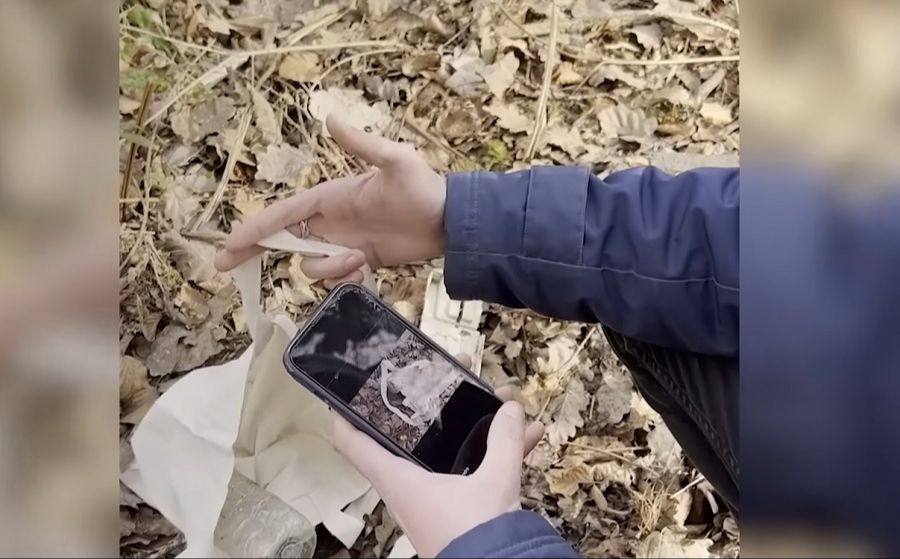
Knowing that we're in a give-and-take world, he created the "Trash Back" app. This little app on mobile devices allows trash pickers to take pictures of their trash, collect it, photograph its disposal (recycling, compost and the like) and earn points. These points can then be exchanged for discounts at the app's commercial partners, whether in-store or online. Some might think that it would be easy to "cheat" by taking pictures of garbage placed in one's yard. However, people check the photographs and their geolocation before awarding points.
In one year, the app is said to have helped collect a ton of garbage in France. The creator thus hopes that this quest to clean up localities will continue, and that one day, his creation will have no further use. A reality, however, that he himself admits is unlikely to materialize.
How do you talk to children about genetics and heredity? A British museum has come up with the method: design a game in which you create a line of adorable creatures with precise objectives. The game is fun, colorful and easy to learn. Even adults will succumb to the charms of the bugs and their large families.
Video games designed for people with disabilities are already a rare resource. An experience that allows multiple players is even rarer. Yet this latest creation from "Ludociels for All" challenges players to light up an entire maze by walking balls of light.